


A retail media client success manager is a strategic, client-facing operator who turns retail media campaign data into measurable business outcomes like return on ad spend and incrementality. The role suits analytical communicators who move comfortably between spreadsheets and stakeholder meetings, and it currently carries real market momentum: advertising and marketing management roles are projected to grow 8% from 2023 to 2033, with retail media specialists often commanding a pay premium over generalist digital marketing peers.
TL;DR:
- Buyers prioritize ROAS and incrementality, with roughly 88% citing ROAS and 71% incrementality; candidates should explain how both guide campaign decisions.
- Build a campaign brief, mock quarterly business review deck, and incrementality summary with realistic fictional figures; employers value these work samples over certifications.
- Most entrants move from junior account or campaign coordination into full account ownership in 12 to 24 months, then pursue strategy, operations, or brand roles.
- Retail media roles often pay 20% to 35% above comparable digital marketing jobs, though employer size, region, and retailer or agency setting affect pay.
Table of Contents
- What a retail media client success manager actually does all day
- Skills and competencies that predict success in this role
- The metrics and tools that define this job
- Career path, demand, and what you can expect to earn
- A 90-day plan to break into client success
- What we have learned building and operating retail media networks
- How we help teams build client success and retail media operations
- FAQ
- Sources
What a retail media client success manager actually does all day
We think of this role less as account management and more as applied problem solving with a dashboard open. The job starts at onboarding, where a CSM builds campaign briefs, maps audience specs, and sets expectations before a single impression serves. From there, the work shifts into activation: coordinating internal handoffs between sales, ad ops, and analytics so a campaign launches on time and gets a proper quality check before spend ramps up.

Once a campaign is live, the job becomes a rhythm of watching performance and making calls. That means tactical optimizations, pacing checks, and a testing cadence that treats every campaign as a chance to learn something for the next one. Reporting rounds out the week: wrap decks, quarterly business reviews, and the kind of plain-language insight that turns a spreadsheet into a reason for a client to renew.
A typical week touches:
- Reviewing campaign briefs and confirming audience targeting matches the client’s business goal.
- Coordinating with ad ops on trafficking, creative QA, and launch timing.
- Pulling performance data and flagging underperforming line items before a client notices.
- Drafting optimization notes that explain what changed and why it should help.
- Building QBR narratives that connect campaign tactics to sales lift or retention.
What separates a strong CSM from an average one is the willingness to own the full loop, not just the reporting slice of it.
Skills and competencies that predict success in this role
The best client success hires we have seen blend technical fluency with genuine curiosity about why a campaign worked or didn’t. On the technical side, comfort with Excel pivot tables, basic reporting logic, and enough SQL to pull your own data saves time and builds credibility with ad ops teams. Understanding how ROAS and incrementality are calculated, not just quoted, separates people who can explain results from those who can only repeat them.
Analytically, you need to diagnose underperformance rather than just flag it, read an A/B test without overclaiming, and grasp attribution basics well enough to push back when a client’s assumptions do not match the data. On the people side, consultative communication matters more than polish: clients trust CSMs who can manage expectations honestly and facilitate across departments without needing a title to do it.
Core competencies to develop:
- Reporting and light SQL fluency for pulling and checking your own numbers.
- Diagnostic thinking that traces a performance dip to its likely cause.
- Clear, consultative communication with clients and internal teams alike.
- Project management habits, including runbooks and QA checklists.
- An outcomes-first mindset that treats every deliverable as a step toward retention.
Pro Tip: Keep a running log of every optimization you make and its measured result. It becomes both a QBR asset and an interview story.
The metrics and tools that define this job
Retail media buyers do not evaluate performance the way open-web advertisers do, and CSMs need to speak their language fluently. ROAS is the metric buyers cite most often, with roughly 88% prioritizing it and 71% prioritizing incrementality when they evaluate a retail media network’s value. Incrementality testing matters because it isolates what the campaign actually caused, rather than what would have happened anyway, and it is quickly becoming the standard clients ask for by name.
Nielsen frames the strongest client success managers as strategic partners who translate campaign data into narratives tied directly to sales lift, which is exactly why reporting cadence matters as much as the numbers themselves: a consistent reporting rhythm builds the trust that drives renewal.
Tool categories worth learning:
- Retailer-side ad platforms for campaign setup, pacing, and optimization.
- Analytics and attribution platforms that unify online and offline sales data.
- Dashboarding tools for daily pacing checks and weekly optimization notes.
- Reporting templates for QBR scorecards that connect tactics to outcomes.
For a deeper walk through which numbers matter and why, our Key Metrics for Retail Media: 2026 Marketer’s Guide breaks down measurement priorities in more detail, and tools like Prowl’s ad performance connector show how some teams are automating the reporting grind that eats up a CSM’s week.
Career path, demand, and what you can expect to earn
Most people enter this field through junior account or campaign coordinator roles, then move into full CSM ownership within a year or two once they can run a book of accounts independently. From there, paths split toward senior client strategy roles, retail media network operations, or in-house marketing leadership at a brand that buys retail media heavily.
Demand is real right now: omnichannel retail media spending is accelerating, and hiring signals show a shortage of specialized ad-tech and retail media talent on the supply side. On pay, retail media roles often command a premium of roughly 20% to 35% above equivalent digital marketing positions, with company size, retailer versus agency setting, and region all shifting the number.
- Junior to CSM: typically 12 to 24 months with demonstrated campaign ownership.
- CSM to senior or strategy lead: driven by renewal rates and documented upsell wins.
- Lateral moves into RMN operations are common for CSMs who understand the ad-tech stack.
A 90-day plan to break into client success
Breaking in rewards people who show up with work product, not just a resume line about being a people person. We recommend treating the next 90 days like a sprint with three distinct phases.
- Days 1-30: Learn the retail media ecosystem, study how ROAS and incrementality are calculated, and read through category basics on auction dynamics and share of voice.
- Days 31-60: Build artifacts: a sample campaign brief, a mock QBR deck, and a simple incrementality summary using fictional but realistic numbers.
- Days 61-90: Network with people already in the field, apply to targeted roles, and practice interview stories that tie a specific tactic to a measurable result.
Pro Tip: Bring your mock QBR deck to the interview. Hiring managers remember candidates who show their work instead of describing it.
Employers consistently value these deliverables over certifications, since a working artifact proves you can do the job rather than just talk about it.
What we have learned building and operating retail media networks
Our approach to client success starts with outcomes, not activity: the focus is on whether a campaign moved sales, not whether a report looked polished. Early wins we have seen retail media network operators drive often come from tightening the optimization loop, catching underperformance faster, and giving clients a clearer line between spend and incremental revenue. That consistency is what turns a first campaign into a renewed contract.
Readers who want a deeper, practitioner-level view of how we structure this work can check our retail media network operations playbook for the operational detail behind what we have described here.
— Mark Kapczynski
How we help teams build client success and retail media operations
If you are a leader trying to stand up a client success function rather than hire into one, the build-versus-buy decision usually comes down to speed and existing bench strength. Some consultancies work with brands and retailers to stand up retail media and commerce media networks, operate them day to day, and train internal teams on the measurement frameworks clients now expect by default.
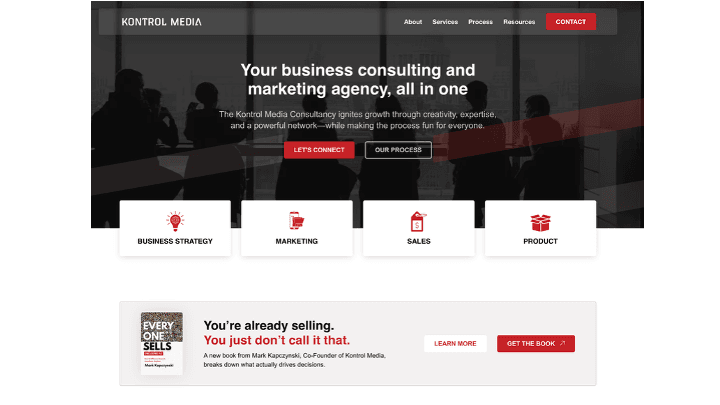
Our work in this space typically includes:
- Standing up a retail or commerce media network from the ground up.
- Running ongoing retail media network operations including client success and reporting cadence.
- Building measurement frameworks that align with what buyers actually prioritize.
- Training internal teams so client success capability stays in-house long term.
When the gap is speed, not willingness, bringing in outside execution gets a function running in months instead of a year of internal hiring. Explore our full services or reach out through our contact page to talk through what standing up or scaling your client success function would look like.
FAQ
What does a retail media client success manager do day to day?
A CSM owns the campaign lifecycle from onboarding and briefing through activation, optimization, and reporting. The role blends hands-on data work with client-facing communication, translating performance into business narratives that support renewal.
What skills matter most for breaking into retail media client success?
Reporting fluency, basic SQL comfort, and a working understanding of ROAS and incrementality matter most on the technical side. Equally important are consultative communication skills and the project management habits needed to run a book of accounts.
How much can I expect to earn in a retail media client success role?
Retail media roles often pay 20% to 35% more than comparable digital marketing positions, with company size and whether you work retailer-side or agency-side shifting the exact number.
Which metrics should I learn first for a client success interview?
Focus on ROAS and incrementality, since buyers rank these as their top priorities when evaluating retail media performance. Being able to explain how each is calculated, not just define it, is what separates strong candidates in an interview.
What portfolio artifacts help the most when applying for these roles?
A sample campaign brief, a mock quarterly business review deck, and a simple incrementality summary built on realistic numbers demonstrate readiness better than certifications alone. Hiring managers consistently respond to candidates who can show finished work rather than describe past responsibilities.
Sources
- Advertising, Promotions, and Marketing Managers | U.S. Bureau of Labor Statistics
- Retail media demand is reshaping ad-tech and marketing talent | eMarketer
- IAB Europe – Attitudes to Retail Media Report (July 2025)
- The future of retail media | Nielsen Insights