


A realtor co-marketing program is a structured partnership in which a brand and real estate agents (or whole brokerages) put their combined budget, audience and credibility behind shared campaigns aimed at people who are buying, selling or settling into a home. Done well, it gives you access to a buyer at the moment their spending habits are up for grabs. Done badly, it becomes a logo swap that nobody remembers by month four. This guide covers the formats, how to pick partners, the rules to respect, and how to measure whether any of it is working.
TL;DR
- Co-marketing works because each side supplies something the other lacks: shared cost, incremental audience and borrowed trust, which is especially strong in community-driven real estate relationships.
- Recruit agents by fit, meaning the same neighborhoods, price points and client profile, rather than by headcount or follower count.
- If any partner is a settlement service provider such as a lender, RESPA requires a documented, proportional cost split. Housing-related digital ads also fall under HUD’s Fair Housing guidance.
- Consistency beats cleverness. Expect a 90 to 180 day ramp before results stabilize, and track partner-sourced and partner-influenced revenue from day one.
- A program run as a real business unit, with an owner, a calendar and a scorecard, outlasts one run as a favor.
Table of Contents
- What a realtor co-marketing program actually is
- Formats that work with agents and brokerages
- How to choose and recruit the right agents
- Structuring the program and staying compliant
- Launching and running the program
- Measuring reach, leads and revenue
- Where Kontrol Media fits
- FAQ
- Sources
What a realtor co-marketing program actually is
Strip away the jargon and the idea is simple. Partnership marketing is an alliance between parties with similar client bases or niches, creating campaigns, events or initiatives and sharing the costs and outcomes. According to REALTOR.com’s marketing team, the upside is a wider audience and added credibility, and real estate is a natural fit because agents and brokerages can partner with local brands in the communities they already serve.
For a brand, the agent is the closest thing to a trusted guide at one of the biggest spending moments in a household’s life. A buyer under contract is about to furnish rooms, hire movers, sign up for internet, switch insurance, pick a mattress, a mortgage servicer or a security system. The agent is already in that conversation. A co-marketing program gives your brand a legitimate seat at that table, introduced by someone the buyer chose to trust.
It helps to separate three things people lump together:
- Advertising through agents, where a brand buys placement in agent-owned channels such as email, social and local ads.
- Co-marketing, where both parties invest and both are visible, usually around an event, offer or content series.
- Referral arrangements, where one party sends business to the other. In real estate, these are regulated differently, and we come back to that below.
Most durable programs blend the first two and stay clear of the third unless counsel has signed off.
Formats that work with agents and brokerages
The best formats are the ones an agent would be happy to put in front of their own clients. REALTOR.com’s partnership guide points to examples such as a social media giveaway, a custom drink promoted with a hashtag, and co-sponsored dog walks or events with a branded photo booth. They are light, local and fun, which is exactly why they travel.

Beyond those, here is how we think about the menu, from lowest to highest lift.
Agent email programs
An agent sends a branded or co-branded message to their database: a move-in checklist, a seasonal home-care offer, a neighborhood guide with your product in context. Open rates tend to be healthier than brand email because the sender is a name the recipient knows. The brand supplies the creative and the offer, and the agent supplies the relationship.
Agent social and influencer content
Agents have become local media personalities. They post tours, market updates and closing-day photos, and their audiences treat their recommendations as personal rather than promotional. A brand that gives agents genuine product, a content kit and a clear way to tag it can earn reach no paid campaign replicates. We go deeper on this in our piece on real estate agents as social media influencers for brands.
Events and workshops
Homebuyer seminars, open-house sponsorships, client appreciation days and neighborhood meetups all give a brand face time. Educational events in particular tend to be the cleanest format from a compliance standpoint, and they are the format agents most readily agree to host.
Closing gifts and move-in moments
A first-night kit, a welcome offer or a service credit delivered at closing reaches the household at the point of maximum openness. Our guide to three-touch new homeowner marketing lays out how to sequence the first 30 to 90 days after the move.
Local ad programs
Agents can run geographically tight paid campaigns with your offer or message, with costs split by agreement. This is where the Fair Housing and RESPA details matter most, so read the compliance section before you scale it.
The categories of partner that fit best are broad. A brokerage program in Canada lists furniture, mattresses, décor, appliances, movers, cleaning, landscaping, mortgage services, insurance, legal and accounting, smart-home products and security systems among the categories it recruits, according to its own partner page. The same logic applies in the US: if your customer needs you because they are moving, there is probably a program in it for you.
How to choose and recruit the right agents
The common mistake is recruiting for volume. A thousand agents who do not sell near your customers produce a thousand polite emails and no revenue. PropertyRadar’s playbook advises targeting agents with active listings, open houses or clients moving into your service area, and prioritizing those who serve similar neighborhoods and price points. Its core point is that good partnerships are value-first rather than referral swaps: the offer should help homeowners while fitting the agent’s geography, listings and client profile.
We turn that into a short screen:
- Geography. Does the agent’s territory overlap where you can actually deliver?
- Price band and client profile. A luxury-condo specialist and a first-time-buyer specialist have different households, so match them to your offer.
- Activity. Recent listings and closings matter more than years in the business.
- Digital habits. Do they email their database and post consistently? If not, a content-heavy program will stall.
- Brand fit. Would the agent be proud to recommend you? If the answer is a hesitant maybe, move on.
Once you have a shortlist, lead with what the agent gets. In practice that means exclusive offers for their clients, education they can present, ready-made content, event support and visibility. A brokerage-facing program, for instance, advertises benefits such as exclusive offers, educational resources, branch presentations and event sponsorships to its agents. Agents say yes to programs that make them look generous and organized in front of clients, and they quietly drop programs that feel like unpaid lead generation for someone else.
If you would rather work at the brokerage level, a franchise or brand-wide relationship opens many offices at once. Our overview of RE/MAX for brands shows how that kind of network can reach active buyers.
Structuring the program and staying compliant
This is the section people skip and later regret. Two bodies of US rules touch most realtor co-marketing: RESPA (the Real Estate Settlement Procedures Act) and the Fair Housing Act. Neither is a reason to avoid the channel. Both are reasons to write things down.
Cost splits and RESPA Section 8
RESPA applies most directly when one of the partners provides a settlement service, such as a lender, title company or insurer. PNC’s guidance for agents explains that RESPA prohibits giving or receiving anything of value in exchange for referrals of settlement services, while joint marketing is allowed when costs are split fairly based on ad space or exposure rather than referral potential. It also notes that educational events such as workshops or financial literacy sessions are a compliant way to build visibility.
The Texas Real Estate Commission’s legal update materials go further on mechanics. Each party should pay its proper share based on the proportionate fair market value of the services in the advertisement, with each share tracking that party’s prominence in the ad. The materials advise putting the word “Advertisement” in a prominent spot, documenting how co-marketing charges are calculated, and keeping written agreements.
If your brand sits outside settlement services, such as a furniture retailer or a home-security company, RESPA is usually not the operative concern for your own spend. But if a lender or title partner joins your campaign, the whole program inherits the paperwork. We suggest having your counsel review the template agreement before the first agent signs.
Fair Housing and digital targeting
If any part of the program involves paid digital ads related to housing, read HUD’s 2024 guidance on advertising through digital platforms. It says targeting and delivery of housing-related ads can violate the Fair Housing Act if they deny information about housing opportunities, steer home-seekers, or offer different terms based on protected characteristics. Its recommendations include using platforms that manage discriminatory delivery risk, identifying housing-related ads to the platform, reviewing custom and mirror audience data, and monitoring campaign outcomes.
In practice, that means a brand should not hand agents a lookalike audience built from a skewed customer list and call it targeting. Build audiences deliberately, review them, and check who actually received the ads.
The agreement itself
A workable partner agreement is short. It names the offer, the territory, who pays for what and in what proportion, who owns the creative, how leads and data are handled, who approves messaging, and how either side exits. Some programs offer optional split-cost extras. One agent-facing program, for example, describes splitting optional direct mail, digital ads, open houses and events 50/50, which shows how simple the structure can be when the cost basis is clear. Whether a 50/50 split is appropriate in your case depends on who benefits and how prominent each party is, so confirm it with counsel rather than copying a number.
Our perspective: treat the agent as a channel, not a billboard
We have spent years building revenue-generating partnerships between brands and the real estate channel, and one thing keeps proving true: the programs that last are the ones where the agent is treated as a distribution partner with their own business to run. A banner on an agent’s website is not a program. A calendar, a content kit, a clear offer for the client and a shared scorecard is.
The second lesson is about patience. Most brands judge a realtor program on its first 30 days, when the agents have barely sent their first email. The agents who stay with it, and the brands that keep supporting them, are the ones who end up owning the moment of the move in their market. That is why we pair strategy with execution: the plan matters, but somebody has to recruit the agents, send the assets, answer the questions and report the numbers every month.
Finally, we would urge every CMO to ask a harder question than “how many agents are we reaching?” Ask “how much revenue did partner-influenced buyers generate?” When the program is built around that question, creative choices, partner selection and budget all get easier. That is the thinking behind our real estate channel work and our CMO playbook for agent partnerships.
Mark Kapczynski
Launching and running the program
A launch plan for a first program can be compact. Here is the sequence we would follow.
Weeks 1 to 2: define the offer and the scorecard. Decide what a home buyer or homeowner gets from you that they cannot get elsewhere, then decide what you will count. Pick a single owner inside your team.
Weeks 3 to 6: recruit a pilot cohort. Start with a small group of well-matched agents in one or two markets. A pilot lets you fix the kit before it reaches fifty inboxes.
Weeks 6 to 12: go live with two formats. Pair an always-on format, such as an agent email, with a moment format, such as an event or a closing gift. Two is enough to learn from.
Months 3 to 6: review, adjust, expand. Drop what is not producing, double down on what is, and open the next market.
Why the slow, steady approach? One practitioner, Saad Jamil, argues that inconsistency is the biggest reason co-marketing fails, and that most agents will not sustain a partnership past month four, but the ones who do will own the buyer side of their market. His examples come from lender partnerships, yet the lesson carries over to any brand: a program needs a cadence both sides can keep. He also notes that productive partnerships typically take 90 to 180 days before deal flow stabilizes, so build that runway into your budget and your expectations.
A few operating habits make the difference:
- Send agents ready-to-use assets, not a brand book. If it takes more than five minutes to use, it will not get used.
- Hold a short monthly check-in with active partners and recognize the ones who perform.
- Keep the offer fresh. A seasonal angle, such as spring-market prep or fall home-care, gives agents a reason to write again.
- Make it easy for the homeowner to redeem, with a unique link or code tied to the agent.
For more on why revenue-focused partnerships beat click-focused media buys, see our take on driving revenue, not clicks, with strategic partnerships.
Measuring reach, leads and revenue
If you cannot show what the program produced, it will be the first line cut in a tight quarter. Measurement needs to be planned before the first agent is recruited, because attribution is hard to rebuild afterward.
Beefed.ai’s co-marketing guide suggests tracking partner-sourced leads, partner-influenced pipeline, partner-sourced closed revenue, conversion efficiency, deal velocity and average deal size. It calculates co-marketing ROI as attributed revenue minus partner-related cost, divided by partner-related cost, and assigns shared ownership of ROI to marketing and finance. That is a sound starting frame for any brand.
Here is how we would adapt it for a realtor program:
| Metric | What it tells you | How to capture it |
|---|---|---|
| Redemptions per agent | Which partners actually move households | Unique code or link per agent |
| Partner-sourced revenue | Customers who arrived only through an agent | CRM source field on first purchase |
| Partner-influenced revenue | Customers an agent touched on the way | Multi-touch attribution or post-purchase survey |
| Cost per acquired customer | Efficiency against other channels | Program spend divided by partner-sourced customers |
| Time to first purchase after closing | Whether timing is working | Closing date versus first transaction |
| Partner retention at month four and month six | Program health | Active agents divided by recruited agents |
Benchmarks are useful but should be treated as directional. Jamil reports that leads from referral partnerships convert about 30% better than leads from cold channels, and that a strong lender partnership can produce 8 to 20 buyer leads a month, with 30% to 40% becoming qualified pre-approved buyers. Those figures come from the mortgage world, so use them to frame early conversations, then replace them with your own numbers as soon as you have a quarter of data.
For a deeper look at attribution across channels, see our guide to measuring the ROI of marketing and advertising campaigns, and for the target economics we aim for, our article on realtor channel partnerships and 3:1 to 5:1 marketing ROI.
Where Kontrol Media fits
We build and run these programs for brands and for the agencies that serve them. That includes media partnerships, agent email programs, agent ad programs, an agent influencer network, in-market homebuyer emails, a document signing platform and in-game inventory, all aimed at reaching home buyers and homeowners through the real estate channel. We pair the strategy with the hands-on work of recruiting, activating and reporting, so your team is not left holding a plan with nobody to carry it out.
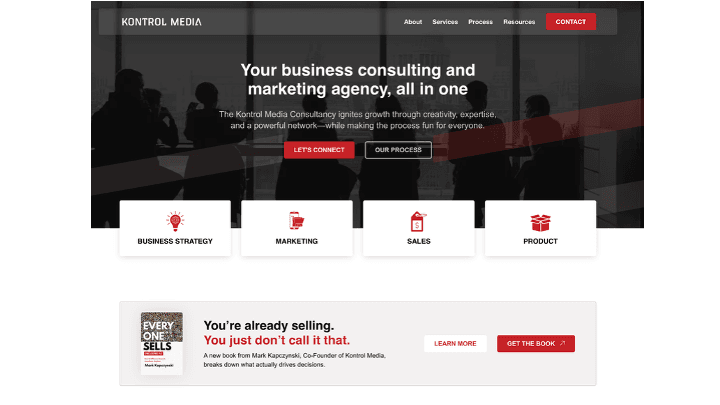
If you are a CMO or growth leader weighing a realtor program, start with our real estate channel page to see what we offer, or talk to us about business, marketing and sales strategy with execution. Pricing is scoped to your goals and markets, so the first step is a conversation.
FAQ
What is a realtor co-marketing program?
It is a partnership in which a brand and one or more real estate agents or brokerages share the cost and the credit of campaigns aimed at buyers, sellers and homeowners. Typical formats include co-branded emails, events, social content and local ads. The brand gains a trusted introduction, and the agent gains something valuable to offer clients.
Are realtor co-marketing programs legal?
Yes, when they are structured properly. If a settlement service provider such as a lender or title company is involved, RESPA Section 8 requires that costs be split fairly based on exposure rather than referral value, as PNC’s guidance explains. Paid housing ads must also respect Fair Housing rules. Have your attorney review the agreement before launch.
How long before a co-marketing program produces results?
Plan on roughly three to six months. One practitioner puts the stabilization window for partnerships at 90 to 180 days, and early activity depends heavily on agents sending consistently. Pilot in a small market first so you learn quickly without a large commitment.
How do I find agents to partner with?
Look for agents with active listings, open houses or clients moving into the area you serve, in neighborhoods and price ranges that match your customer. PropertyRadar’s playbook recommends leading with value for homeowners instead of a referral swap. You can also work through brokerage or franchise relationships to reach many agents at once.
How should I measure ROI on a realtor program?
Use a unique code or link per agent, record the source in your CRM, and compare attributed revenue to partner-related cost. A common formula is attributed revenue minus cost, divided by cost, as laid out in this co-marketing KPI guide. Review it monthly alongside partner retention.
Sources
- Why partnership marketing is perfect for real estate (REALTOR.com)
- Become an rPartner (Right at Home Realty)
- Mutual Marketing with Realtors (PropertyRadar)
- Co-Marketing with Lenders 2026 (Jamil Academy)
- Realtor Partner Program (RenoMaxIT)
- How Real Estate Agents Can Maximize Referrals through Bank Partnerships (PNC Insights)
- 2020-2021 Legal Update II Student Manual (Texas Real Estate Commission)
- Guidance on Application of the Fair Housing Act to Advertising through Digital Platforms (HUD)