
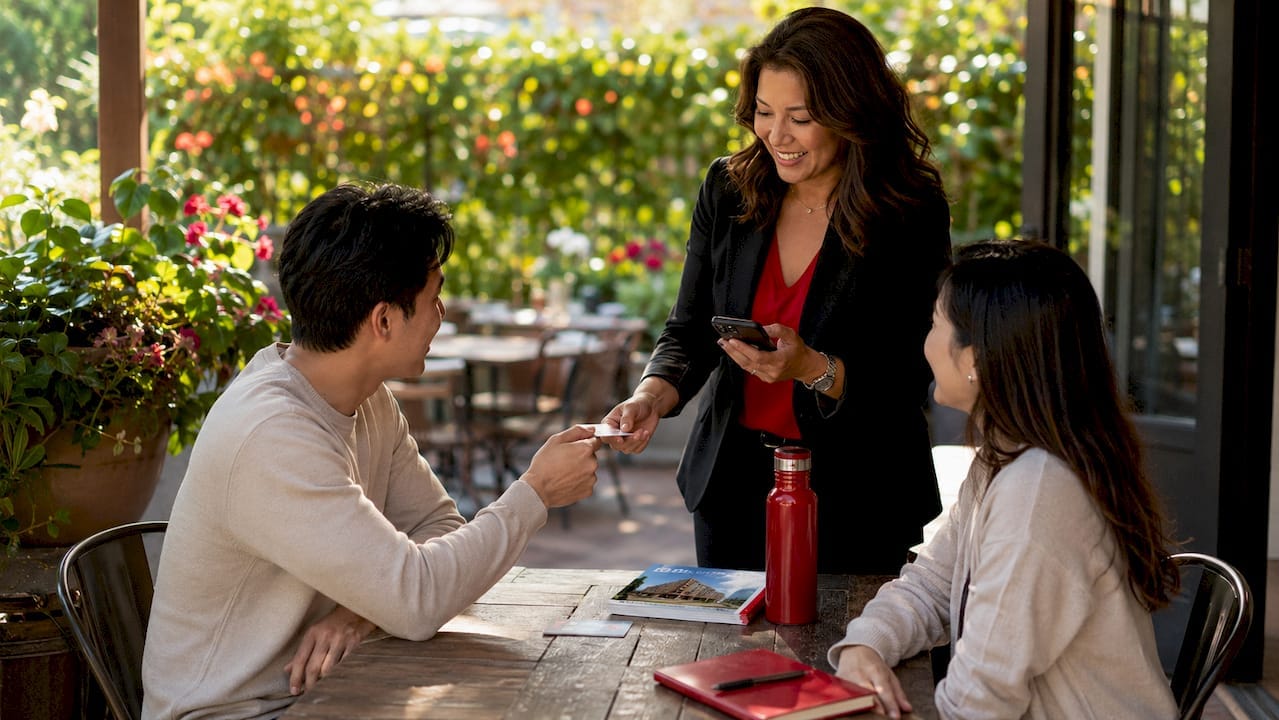

A real estate marketing channel is any platform or method used to reach home buyers, homeowners, and prospects to generate listings, leads, and referrals. The 2026 State of Real Estate Marketing Report makes one thing clear: sphere of influence (SOI) is the highest-quality channel available, with 81% of agents rating SOI leads as good or excellent. No other channel comes close to that number. For marketing professionals in real estate, understanding which channels actually produce results, and which quietly drain budgets, is the difference between a productive quarter and a frustrating one.
1. What makes sphere of influence the top real estate marketing channel?
SOI is defined as the personal and professional network an agent actively maintains to generate referrals and repeat business. It is not a passive list of contacts. It is a living, managed relationship system.
The data behind SOI’s dominance is striking. No other channel scored above 41% in good or excellent lead quality ratings. SOI’s 81% rating is more than double that ceiling. That gap tells you something important: people who already trust an agent refer better clients, close faster, and require less convincing.
Growing SOI requires intentional effort across a few key behaviors:
- Regular personal outreach: Phone calls, handwritten notes, and in-person check-ins keep relationships warm without feeling transactional.
- Life event tracking: Birthdays, anniversaries, and job changes are natural moments to reconnect and add value.
- CRM tagging by relationship tier: Segment contacts into A, B, and C tiers based on referral likelihood and engagement frequency.
- Community involvement: Sponsoring local events or joining neighborhood groups puts agents in front of new contacts organically.
Pro Tip: Tag every closed deal in your CRM with its original lead source. Agents who do this consistently discover that SOI drives far more business than they estimated, which changes how they allocate time and budget.
2. How to maximize content marketing as a real estate advertising strategy
Content marketing is the most underestimated channel in real estate. Agents who publish consistently for four or more years and post five or more short-form pieces per month report content driving deals at 9x the rate of those who post sporadically. That is not a marginal advantage. It is a structural one.
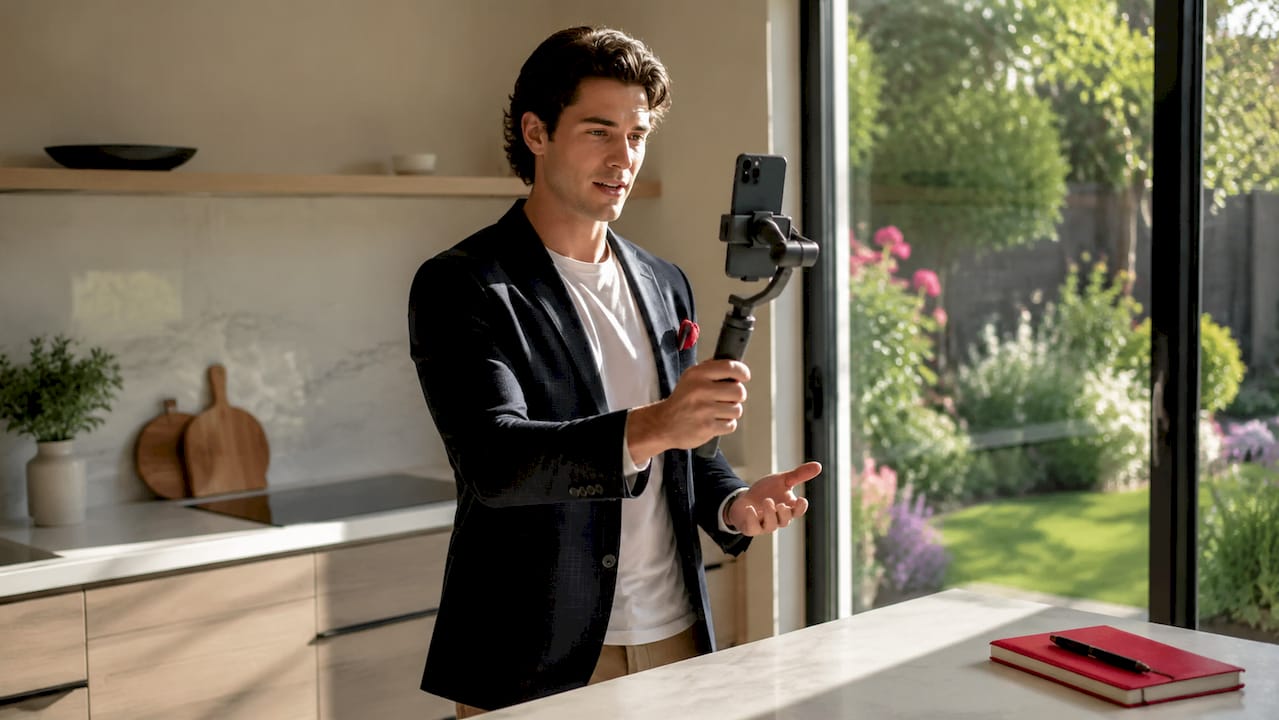
The compounding effect of content is real. A video posted today about a neighborhood market update will still generate views and inquiries eighteen months from now. A blog post optimized for a local search term builds organic traffic without ongoing ad spend. This is why content marketing pairs so well with SOI: it keeps an agent visible to their network between direct touchpoints.
The most effective content formats for real estate include:
- Short-form video: Neighborhood tours, market updates, and buyer tips perform well on Instagram Reels and YouTube Shorts.
- Hyper-local blog posts: Articles targeting specific zip codes or school districts capture high-intent search traffic.
- Listing walkthroughs: Video tours shared across platforms extend listing reach beyond portal audiences.
- Email newsletters: Repurposing content into a monthly email keeps the agent top of mind with their database.
Pro Tip: Film a 60-second “market minute” video each week covering one local data point. Consistency matters more than production quality. Agents who post this format weekly for a year build a searchable content library that works around the clock.
Agents planning their 2026 investment priorities are already signaling where content is headed. YouTube, AI tools, and short-form video top the list of channels where agents plan to increase spending. That consensus reflects where buyer attention is moving.
3. Leveraging email marketing to nurture leads and drive referrals
Email is the top-ranked listing appointment source among all channels except SOI. Email marketing outranks every other channel in lead quality and appointment generation, which makes it one of the most cost-effective tools in a real estate professional’s mix.
The reason email performs so well is ownership. Unlike social media platforms where algorithm changes can cut reach overnight, an email list belongs to the agent. That relationship is direct and portable.
Building a high-performing email program requires discipline in a few areas:
- Segmentation by intent: Separate active buyers, past clients, and cold prospects into distinct lists with different messaging cadences.
- Value-first content: Market reports, neighborhood guides, and mortgage rate updates give subscribers a reason to open the email.
- Consistent cadence: Monthly at minimum, biweekly for active databases. Irregular sending trains subscribers to ignore you.
- AI-powered nurture sequences: In 2026, automated email nurture tools are a baseline expectation, not a differentiator. Use them to follow up on open house registrations, website inquiries, and listing alerts without manual effort.
The agents who treat email as a broadcast tool rather than a relationship tool miss the point. The goal is to make every subscriber feel like the email was written for them specifically.
4. The strategic advantage of real estate agents as social media influencers
The most underutilized real estate social media marketing strategy is not running ads. It is partnering with agents who already have the trust and local audience that brands spend years trying to build.
Influencer marketing success in real estate depends on audience geography, not follower count. A micro-influencer with 4,000 followers concentrated in one zip code delivers more referral value than a national account with 200,000 followers spread across fifty markets. Local trust converts. Broad reach does not.
This is the foundation of Kontrol Media’s agents-as-influencers program. Kontrol Media connects brands that want to reach home buyers and movers with real estate agents who serve as social media influencers in their local markets. The result is hyper-targeted outreach through a trusted voice, not a paid ad that a prospect scrolls past.
Key practices for effective influencer collaboration in real estate:
- Prioritize geographic follower concentration over total audience size when selecting agent partners.
- Align brand messaging with the agent’s existing content style to maintain authenticity.
- Track referral attribution through unique links, promo codes, or CRM tagging at the point of contact.
- Build ongoing relationships rather than one-off campaigns. Agents who mention a brand repeatedly drive far more recall than a single sponsored post.
Pro Tip: Before partnering with an agent influencer, ask for an audience breakdown by city or zip code. An agent whose followers are 70% local is worth ten times more to a home services brand than one with a larger but dispersed audience.
The comparison below shows how influencer reach differs from traditional digital advertising in the real estate context:
| Approach | Audience trust | Geographic targeting | Cost efficiency |
|---|---|---|---|
| Agent micro-influencer | High (personal relationship) | Precise (local followers) | High for local markets |
| Traditional display ads | Low (anonymous brand) | Broad (demographic targeting) | Lower for niche local reach |
| Portal paid placement | Medium (platform trust) | Market-level | Variable by spend tier |
For brands looking to reach active home buyers through trusted local voices, the agent-influencer model is the most direct path available.
5. How to effectively allocate marketing budgets across channels
Budget allocation in real estate marketing fails most often because agents and marketing teams do not track where leads actually come from. 60% of agents do not tag deal sources in their CRM, which means they are making spending decisions based on assumptions rather than data.
The paid channel picture is sobering. 82% of agents using paid digital or portal channels report zero leads in a typical month. TikTok delivers zero leads to 94% of agents who use it. LinkedIn reaches 86%. YouTube sits at 84%. These numbers do not mean paid channels are worthless. They mean most agents use them without a plan.
The exception is premium portal placement. Agents paying for premium Zillow placement rate lead quality as good or excellent at 31%, compared to 3% for free users. That is a 10x difference. Spend tier matters enormously on portals.
A sound budget framework for most markets looks like this:
- SOI and referral cultivation: Time investment over ad spend. Budget for CRM tools, client events, and personal outreach.
- Content creation: Allocate for video production or editing tools. The return compounds over time.
- Email marketing platform: Low cost, high return. Non-negotiable for any agent with a database over 200 contacts.
- Influencer partnerships: Prioritize agents with local audience concentration. Cost scales with engagement, not follower count.
- Paid portals: Only invest at premium tiers. Free listings on portals produce near-zero qualified leads.
A disciplined multi-channel marketing strategy that blends SOI, content, email, and selective paid investment is the most defensible approach in 2026. Chasing every new platform without tracking results is how budgets disappear without explanation.
Key takeaways
The most effective real estate marketing channel in 2026 is sphere of influence, which delivers lead quality ratings more than double any paid alternative, making disciplined SOI cultivation the single highest-return activity for real estate marketing professionals.
| Point | Details |
|---|---|
| SOI leads the field | SOI achieves 81% lead quality satisfaction, more than double any other channel. |
| Paid channels underperform for most | 82% of agents using paid digital channels report zero leads in a typical month. |
| Content compounds over time | Agents posting 5+ times monthly for 4+ years generate deals at 9x the rate of inconsistent creators. |
| Email owns the relationship | Email outranks every channel except SOI for listing appointments and lead quality. |
| Track every source | 60% of agents skip CRM tagging, leading to poor budget decisions and wasted spend. |
The channel question nobody asks honestly
I have spent enough time inside real estate marketing to know that the channel conversation almost always starts in the wrong place. Teams ask “where should we advertise?” before they ask “where do our best clients actually come from?” Those are very different questions, and the second one is the only one worth answering first.
The shift I keep seeing in 2026 is a move away from speed-to-response thinking toward authority and trust models. For years, the assumption was that whoever called the lead back fastest won. That is still partially true for cold portal leads. But the agents and brands building durable pipelines are doing it through credibility, not speed. They show up consistently in their local markets, they publish content that demonstrates expertise, and they treat their SOI like the asset it actually is.
The mistake I see most often is treating paid channels as a substitute for relationship-building rather than a supplement to it. Paid ads can amplify a strong SOI and content foundation. They cannot replace one. When I look at qualifying real estate leads effectively, the pattern is consistent: the highest-quality leads come from people who already know and trust the agent or brand before the first conversation.
The agents-as-influencers model excites me because it solves a real problem. Brands want to reach home buyers. Agents have local trust that brands cannot buy directly. Connecting those two things through a structured program, the way Kontrol Media does it, is not a gimmick. It is a logical response to how real estate decisions actually get made.
— Mark Kapczynski
How Kontrol Media connects brands to home buyers through real estate channels
Kontrol Media specializes in helping brands and their ad agencies reach home buyers and homeowners through the real estate channel.
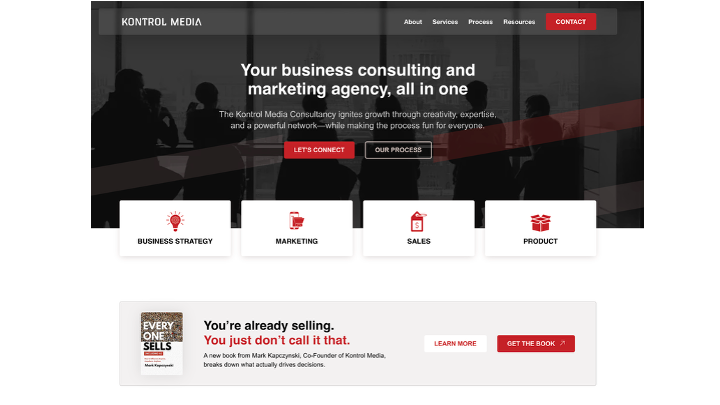
The agents-as-influencers program connects brands with real estate agents who serve as trusted local voices in their markets, driving referrals and brand awareness through authentic, geography-targeted outreach. Kontrol Media builds the partnerships, manages the execution, and tracks the results. For brands that want to move beyond generic digital ads and reach buyers at the moment they are most engaged, this is the channel worth building. Explore Kontrol Media’s full range of services or connect directly to discuss how the program fits your growth goals.
FAQ
What is the highest-quality real estate marketing channel in 2026?
Sphere of influence (SOI) is the top-rated channel, with 81% of agents rating leads as good or excellent. No other channel scores above 41% in the same metric.
Why do most paid digital channels fail to generate real estate leads?
82% of agents using paid digital or portal channels report zero leads in a typical month. Without premium placement and a clear strategy, paid channels produce little measurable return for most agents.
How does influencer marketing work for real estate agents?
Real estate influencer marketing works best when agent partners have a high concentration of local followers rather than large but dispersed audiences. Geographic relevance drives conversion more than follower count.
How often should real estate agents post content to see results?
Agents who post five or more short-form pieces per month for four or more years consistently report content driving significantly more deals than those who post infrequently. Consistency over time is the key variable.
What is the agents-as-influencers model?
The agents-as-influencers model connects brands with real estate agents who act as local social media influencers, driving referrals and brand awareness among home buyers through trusted, geography-targeted outreach. Kontrol Media builds and manages these partnerships for brands seeking direct access to active home buyers.
Recommended
- RE/MAX for Brands: Reach Active Home Buyers in 2026 | Kontrol Media Consultancy
- Who Is the Home Buyers Audience? A 2026 Guide | Kontrol Media Consultancy
- Advertiser Acquisition Strategies for Media Networks in 2026 | Kontrol Media Consultancy
- Ad Sales Strategies That Drive Real Revenue in 2026 | Kontrol Media Consultancy