


The movers audience is defined as consumers actively undergoing relocation who exhibit significantly elevated purchase intent across product and service categories during and immediately after their move. This group represents one of the most concentrated, high-value segments in consumer marketing. Over 40% of Americans surveyed indicated an intention to move in 2026. That scale means tens of millions of households are simultaneously shopping for internet service, furniture, groceries, home insurance, and more. For marketing professionals in consumer goods, real estate, and retail, this window is not a niche opportunity. It is a primary growth channel.
1. What demographic and behavioral characteristics define the movers audience
Understanding moving audience demographics is the foundation of any effective targeting strategy. The industry term for this practice is “mover marketing,” and it combines behavioral segmentation with life-event data to reach consumers at the exact moment their brand loyalties are most fluid.
Generationally, the segment skews young and decisive. 59% of Gen Z indicate an intention to move in 2026, compared to just 31% of Boomers. That gap matters because Gen Z movers are digital-first, price-aware, and highly responsive to personalized outreach. Millennials follow closely, with 39% showing moving intent, and they represent the largest share of first-time homebuyers.

First-time homebuyers deserve their own sub-segment. Millennials lead at 13% planning a first-time home purchase, with Gen Z at 12%. These buyers carry broader and more varied purchase needs than repeat movers. They are furnishing from scratch, establishing new utility accounts, and building brand relationships that can last years.
Behavioral data adds another layer. 53% of movers plan to pack and move their belongings themselves, with 17% using partial services and 15% opting for full-service movers. This cost sensitivity shapes messaging. Brands that lead with value, convenience, and time savings connect faster than those leading with premium positioning.
Key behavioral traits to factor into your segmentation:
- Self-packers (53%): Price-sensitive, DIY-oriented, responsive to discount offers and bundled deals
- Partial-service movers (17%): Selective spenders who prioritize specific high-effort tasks
- Full-service movers (15%): Higher income, time-constrained, receptive to premium and concierge-style offers
- First-time homebuyers: Broad purchase needs, brand-agnostic, high lifetime value potential
- Tech-savvy movers: Digitally active, likely to engage via mobile ads, email, and social platforms
2. Why timing and trigger marketing are critical for reaching movers
Timing is the single most important variable in mover marketing. The 60-day relocation window surrounding a move date is when purchase intent peaks and brand loyalties reset. Reaching consumers inside that window produces measurably better acquisition and retention outcomes than reaching them outside it.
The logic is straightforward. A mover shopping for a new internet provider, mattress, or grocery store is not comparing you to a brand they already love. They are starting fresh. That neutrality is a gift to marketers who show up first with the right message.
Early identification amplifies this advantage. Current subscribers move with an average of 30 days’ advance notice available for retention tactics. Brands that act on that signal before the move happens retain customers who would otherwise churn to a competitor in the new zip code.
Trigger campaigns built around life-event data consistently outperform generic campaigns. The reason is relevance. A mover receiving a “Welcome to the neighborhood” offer from a local grocery chain on day one of their move is far more likely to convert than the same person receiving a generic promotional email three months later.
Pro Tip: Set up trigger sequences that fire at three distinct points: 30 days before the move date, on move-in day, and 30 days after. Each stage carries different purchase priorities, and a three-touch sequence captures all of them.
Channels that perform well within the trigger window include:
- Direct mail: Highly effective for new homeowners; physical mail in a new home carries novelty and attention
- Email sequences: Personalized by mover stage and category need
- Digital retargeting: Geo-targeted ads tied to new zip code data
- Local partnerships: Co-marketing with real estate agents, utility companies, and moving services
3. How mobility data enhances mover audience identification
Mobility data is the tracking of real-world movement patterns, including routes driven, visit frequency, and time spent near specific locations. It goes well beyond traditional foot traffic analysis, which only captures who enters a store. Mobility data captures who drives past, how often, and at what times.
Mobility data captures driving behavior every 15 seconds, aggregating from 300+ signals per person per day. That granularity reveals behavioral patterns that demographic data alone cannot. A consumer who drives past a home improvement store three times a week but never stops is a high-intent prospect invisible to foot traffic reports.
This concept, known as the “drive-by audience,” is one of the most underused insights in retail and consumer goods marketing. Drive-by audiences are frequently missed in traditional foot traffic reports but surface clearly through mobility analysis. For mover marketing specifically, these patterns reveal which new residents are already circling your category before they have made a purchase decision.
| Audience Signal | Traditional Foot Traffic | Mobility Data |
|---|---|---|
| In-store visits | Captured | Captured |
| Drive-by frequency | Not captured | Captured |
| Route patterns | Not captured | Captured |
| Visit timing | Partial | Full detail |
| Pre-purchase intent | Inferred | Directly observable |
Retail experts encourage integrating mobility data with demographic insights to identify high-intent consumers at the right moment. For mover audiences, this means layering relocation triggers on top of mobility signals to build profiles that are both timely and behaviorally rich.
Pro Tip: When building mover audience profiles, combine new-address data with mobility signals from the 30 days post-move. That combination identifies which categories a new resident is actively exploring before they commit to a brand.
4. Top marketing strategies and channels for engaging movers across industries
The audience for moving services and adjacent categories spans consumer goods, real estate, retail, and home services. Each industry requires a different entry point, but the underlying strategy is consistent: reach movers early, personalize by stage, and match the message to the immediate need.
Personalization by mover stage is the most effective segmentation approach. A consumer who just signed a lease has different priorities than one who closed on a home three weeks ago. The renter needs internet, renter’s insurance, and grocery delivery. The new homeowner needs lawn care, a home warranty, and a local bank branch.
Messaging themes that consistently resonate with movers center on three ideas: convenience, local integration, and time savings. Movers are time-constrained and decision-fatigued. Brands that reduce friction win. “Set up in 10 minutes” beats “industry-leading service” every time for this audience.
Movers need internet, cable, home services, groceries, and more immediately after relocation. That breadth of need creates cross-category marketing opportunities that few other life events produce. A single household moving into a new zip code represents potential new customers for a dozen categories simultaneously.
The table below maps channels to mover stages and industries for practical planning:
| Channel | Best Mover Stage | Best Industry Fit |
|---|---|---|
| Direct mail | Pre-move and move-in week | Retail, home services, utilities |
| Email sequences | All stages | Consumer goods, insurance, finance |
| Digital retargeting | Post-move (30 days) | Retail, grocery, home improvement |
| Social media ads | Pre-move and post-move | Consumer goods, real estate |
| Real estate agent partnerships | Pre-move | Home services, financial products |
| Local search ads | Post-move | Restaurants, gyms, healthcare |
Brands targeting home buyers through real estate channels gain a structural advantage. Real estate agents interact with buyers at the highest-intent moment of the entire relocation process. Marketing partnerships built through that channel place brands in front of movers before the competition even knows the move is happening.
For consumer goods and retail specifically, retail media strategies built around mover data offer a way to activate this audience at scale. Brands that build or participate in commerce media networks can serve mover-targeted ads within purchase environments where intent is already high.
Understanding hidden growth opportunities within the mover segment often requires looking beyond obvious category fits. A pet food brand, a streaming service, or a fitness app can all find meaningful acquisition volume within the mover audience if the timing and message are right.
Key Takeaways
The movers audience delivers the highest marketing ROI when brands combine life-event triggers, behavioral segmentation, and mobility data to reach relocating consumers within the 60-day window around their move date.
| Point | Details |
|---|---|
| Timing is the primary lever | The 60-day window around a move date is when purchase intent peaks and brand loyalty resets. |
| Gen Z leads mover intent | 59% of Gen Z plan to move in 2026, making them the highest-priority demographic for mover campaigns. |
| Mobility data reveals hidden prospects | Drive-by audience signals expose high-intent movers that foot traffic data alone cannot identify. |
| First-time buyers need broad outreach | Millennials and Gen Z first-time homebuyers have wide purchase needs and high lifetime value potential. |
| Channel mix must match mover stage | Direct mail, email, digital retargeting, and real estate partnerships each perform best at different points in the relocation timeline. |
The signal most marketers are still missing
I’ve spent years watching brands pour budget into mover campaigns that activate too late. They wait for a confirmed address change, then send a welcome mailer two weeks after move-in. By that point, the consumer has already chosen an internet provider, picked a grocery store, and signed up for a streaming service. The window closed while the campaign was still loading.
The brands that win this segment are the ones treating the mover lifecycle as a sequence, not a moment. They identify intent signals 30 to 60 days out, build trigger sequences that evolve as the move progresses, and use mobility data to fill the gaps that demographic targeting leaves behind. That integrated approach is not common yet. Most organizations still run mover campaigns as a single direct mail drop tied to an address change file.
What I find genuinely exciting about 2026 is that the data infrastructure to do this well is finally accessible outside of enterprise budgets. Mobility signals, life-event triggers, and behavioral segmentation tools are available to mid-market brands that could not have built this kind of program three years ago. The question is whether marketing teams are organized to act on it quickly enough. Mover audiences do not wait. The mid-market growth strategies that work in this space share one trait: they are built for speed, not just scale.
The brands I see pulling ahead are also the ones investing in real estate channel partnerships. Reaching a buyer through their agent, before the move happens, is the closest thing to a guaranteed first-mover advantage this segment offers. That channel is still underutilized, and the gap will not stay open forever.
— Mark Kapczynski
How Kontrol Media helps brands reach movers at the right moment
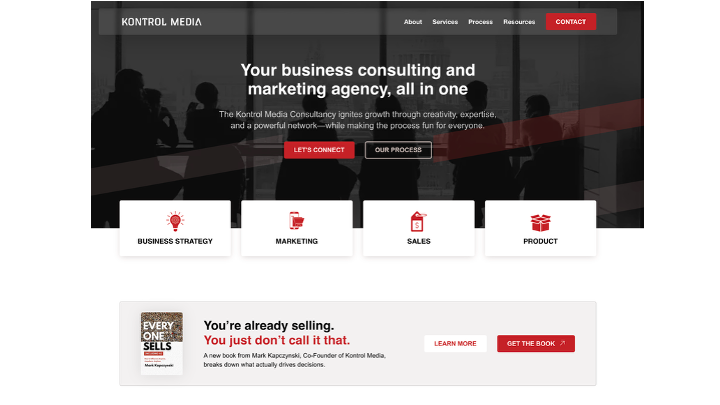
Kontrol Media works directly with brands in consumer goods, real estate, and retail to build marketing programs that reach movers when their purchase intent is highest. The work spans audience strategy, channel activation, and real estate channel partnerships that place brands in front of buyers before the move is complete. Kontrol Media’s approach combines behavioral segmentation with mobility data insights to build mover audience programs that go beyond a single direct mail drop. For leaders ready to build a 2026 mover marketing program with real execution behind it, the business strategy consulting guide is a strong starting point. You can also reach the Kontrol Media team directly to discuss your specific audience and growth goals.
FAQ
What is the movers audience in marketing?
The movers audience is the segment of consumers actively relocating, defined by elevated purchase intent across multiple categories during and immediately after their move. Marketers target this group because brand loyalties reset during relocation, creating acquisition opportunities across consumer goods, retail, and home services.
How large is the movers audience in the U.S.?
Approximately 20–30 million Americans move annually, and over 40% of Americans surveyed indicated an intention to move in 2026. That volume makes movers one of the largest recurring life-event audiences available for targeted marketing.
What is the best timing for mover marketing campaigns?
The 60-day window surrounding a move date is the highest-intent period for mover marketing. Brands that identify movers 30 days before the move and maintain contact through the first 30 days post-move capture the full range of purchase decisions.
How does mobility data improve mover audience targeting?
Mobility data tracks routes, visit frequency, and drive-by behavior at a granularity that foot traffic analysis cannot match. It reveals high-intent movers who are actively exploring a category but have not yet made a purchase, giving marketers an earlier entry point.
Which industries benefit most from targeting the movers audience?
Consumer goods, retail, home services, insurance, financial products, and real estate all benefit significantly. Movers need to establish new accounts and relationships across all of these categories within weeks of relocating, making the segment broadly valuable across industries.
Recommended
- Who Is the Home Buyers Audience? A 2026 Guide | Kontrol Media Consultancy
- Key Takeaways from Possible 2026 in Miami That No Slide Deck Could Have Told Me | Kontrol Media Consultancy
- Advertiser Acquisition Strategies for Media Networks in 2026 | Kontrol Media Consultancy
- Advertising on HuffPost.com: A 2026 Brand Strategy Guide | Kontrol Media Consultancy