

Advertising has always followed attention.
In the past, that attention lived in newspapers and billboards along highways. Brands paid for access to these channels because that’s where audiences were gathering.

Today, it lives inside a digital ecosystem shaped by social channels. However, one thing hasn’t changed, despite changing attention..
Advertising was always, at its core, about influence. Of humans, on humans.
WHO IS INFLUENTIAL?
Today’s influence works differently.
Influencers, for instance, over time, their followers begin to feel as though they understand the influencer’s journey, in a one-sided relationship they encounter through media. This familiarity translates into trust.
The most influential marketing messages no longer come from brands speaking to audiences.
They come from people speaking to people.
But relatability alone can be fickle. 30% of users are beginning to use social media only to lurk. For decades, advertising was expected to be persuasive and promotional and something people go “out of their way” to do to ensure sales. Today, unless an ad feels authentic and comes from a trusted face, consumers are most likely not going to be influenced by it, even if they relate to the solution being advertised.
SO, NOW WHAT?
Rather than focusing solely on large influencers with millions of followers, many marketers are shifting towards smaller creators and community-embedded voices.
These individuals typically promote fewer products, maintain closer relationships with their audiences, and operate within clearly defined niches.
GETTING INFLUENCE RIGHT IN 2026 AS A BRAND
The advertising getting rewarded the most today is the one that’s most authentic. It’s not how many times we see something, but how intensely we relate to the person selling to us.
For consumers today, this distinction shifts the perception of the message.
For instance, Stanley sold the person you become when you own one, the lifestyle attached to owning one.
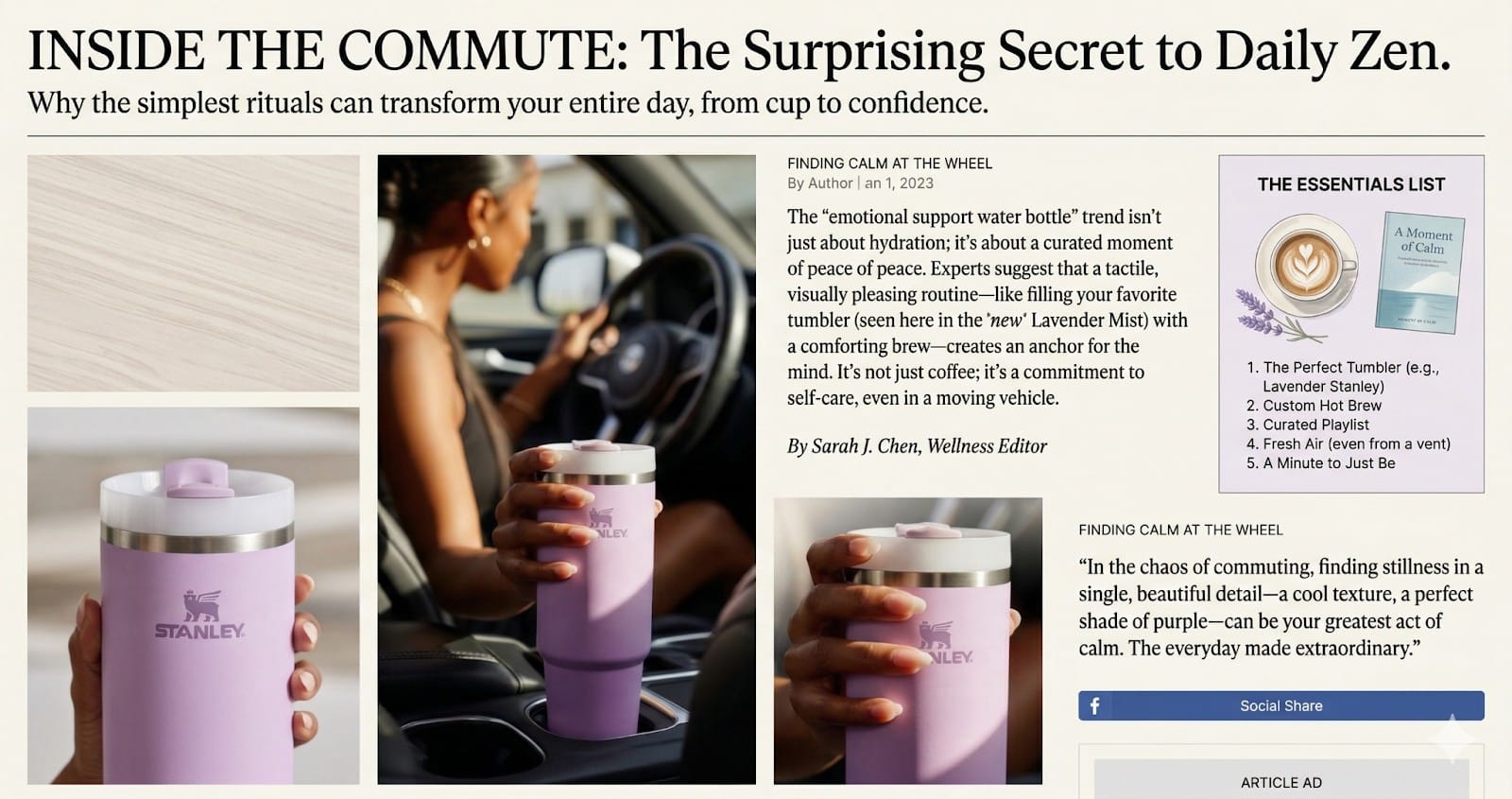
And what better way to convey this, than targeted, micro-influencer marketing?
HOW REMAX BUILT A DISTRIBUTED TRUST NETWORK
Consider the real estate industry. Buying a home is one of the most significant financial decisions a consumer will ever make. During this process, home buyers rely heavily on guidance from their real estate agents; not only about property choices, but about a wide range of related decisions.
In the United States alone, real estate agent network REMAX operates with roughly 50,000 agents influencing home buyers across thousands of communities. When viewed collectively, that network represents something far more powerful than a digital-first marketing channel.
It represents targeted influence through a trusted and an extremely human-first channel.
And guess who needed this channel recently?
A TV brand we’ve all grown up choosing.
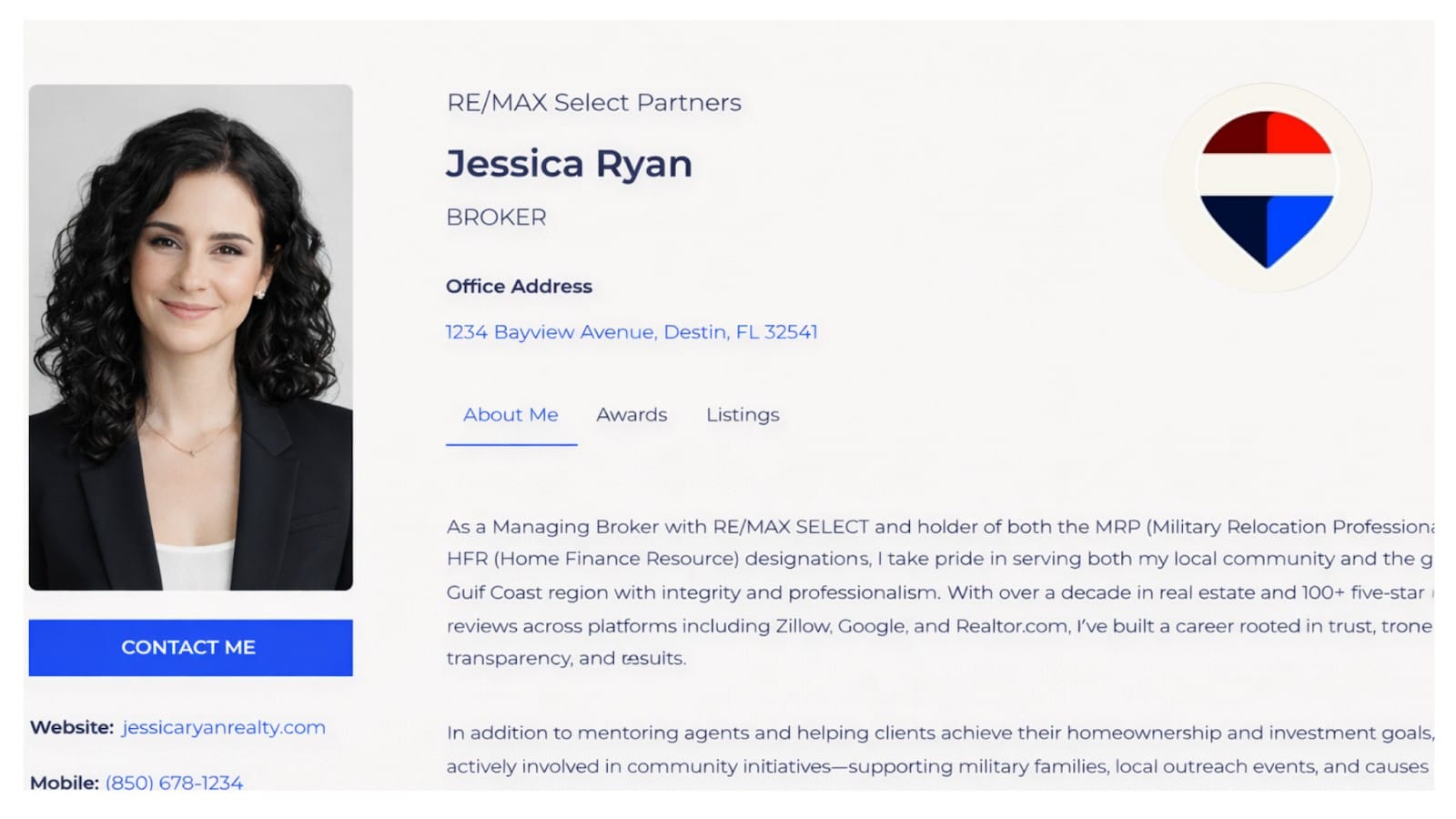
For Samsung, such a channel reflected a broader shift in how influence can be deployed. Rather than interrupting consumers with advertisements at random moments, Samsung chose to etch themselves into environments where the purchasing intent is actually forming.. by entering new buying moments in trusted environments through trusted channels.
When viewed through this lens, distributed professional networks begin to resemble one of the oldest and most powerful forms of marketing: community-based recommendation.
A network of thousands of professionals. Each operating within their own local market. A web of community trust.
IS YOUR CHANNEL A WEB OF COMMUNITY TRUST?
Digital marketing and influencer marketing grew because the way humans trust information never really changed, only the channels through which that trust travels did.
As a CMO and Founder, I knew the invaluable match a TV brand would have with REMAX in the real estate space because a TV brand as popular as Samsung, wanted to bring more products to market through more creative and trust-first channels that they hadn’t tried before – disruption entry as I call it.
A lot of what I do is about matchmaking. Done strategically, it has the power to compound trust and influence in the most innovative ways.
Brands must realise that the measurement metric has shifted from only engagement metrics to how much their audience trusts the channels they use to influence.
Because influence lies in trust.
And trust lies in a community that turns to you, again and again.
Watch The Art of Matchmaking: How Kontrol Media Connects Brands & Consumers @ CES 2026.