

I’ve been to enough marketing and media events to know the difference between conferences that confirm what you already believe and ones that genuinely shift your perspective.
Possible 2026 was the latter.
Because of what was happening in the margins, the hallway conversations, the side tables, the moments between sessions where someone leans in and says what they actually think. That’s where the real read on an industry lives. And the pulse I felt at Possible ’26 in Miami was one that has stopped debating what’s coming next in marketing and started reckoning with what’s already here and happening.
Why POSSIBLE Miami 2026 Felt Different
Partnerships in business have stopped being a value and started being a strategy.
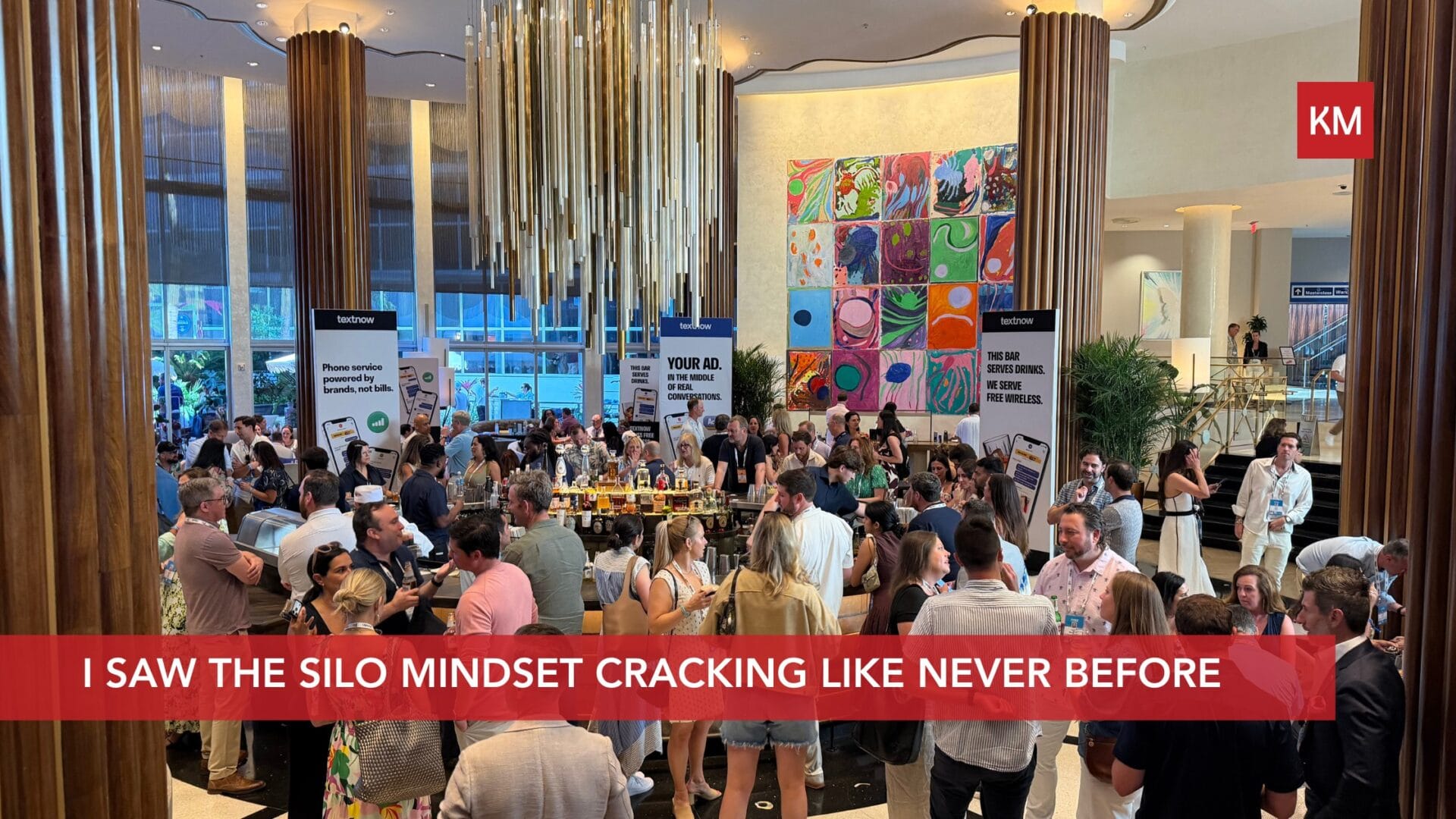
The tone was different this year. I noticed it within the first few hours. Brands, agencies, platforms, and vendors are all facing the same pressure to drive revenue and improve media performance. And instead of that pressure making people guarded, it’s doing something more interesting. It’s making them open up easily.
Miami adding its own energy to the event, the sun so strong you’ve got to wear your shades, and sip on the slushies.. our spirit was at ease, free-er somehow, coming together somehow, taking up space together, somehow.
I watched strategic partnerships form in real time – and easily. I saw people who would normally protect their capabilities start connecting them. The silo mentality is cracking, not because people have suddenly become generous, but because the economics of staying isolated in marketing and media industries, have gotten worse.
AI in Marketing Has Moved Beyond Experimentation
AI is now leverage, not the “cool, new thing”..
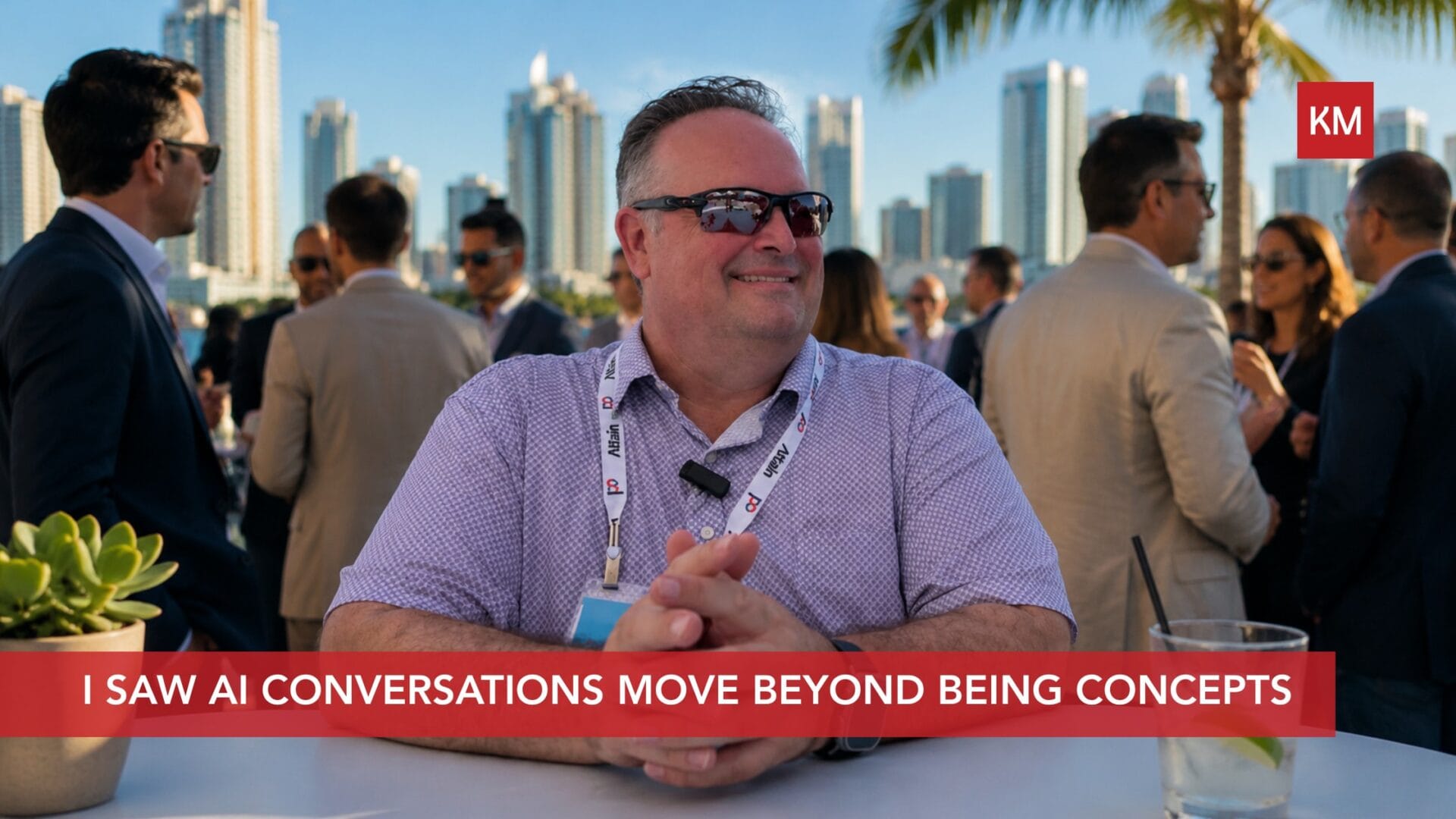
The AI in Marketing conversation has moved too, and it’s moved fast. Nobody at POSSIBLE Miami 2026 was talking about small AI pilots or business growth proof-of-concept projects anymore… The room had already moved past that. The conversation has shifted to operationalization: how brands can integrate AI across creative, media performance, analytics, and business operations to improve how the business performs.
Because the gap between companies doing that and companies still running isolated experiments is growing in a direction that’s going to be very hard to reverse. I’ve watched this kind of inflection happen before, with mobile, with programmatic, with social media. There’s always a window. It doesn’t always stay open.
Why First-Party Data Strategy Matters More Than Ever
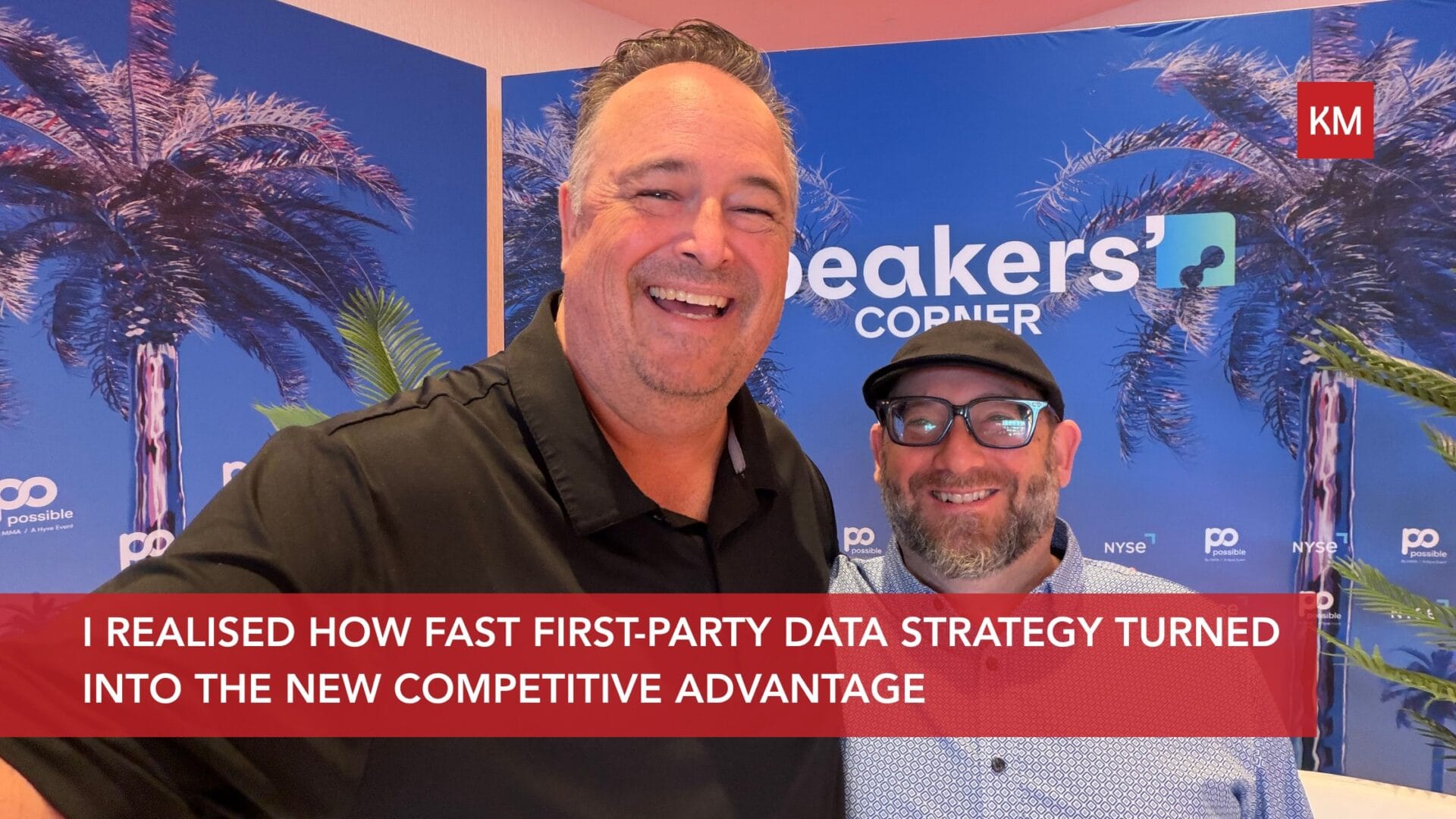
First-Party Data Strategy Is the New Competitive Advantage and you can argue with that, but you’ll lose, eventually, when the spine of the brand is tested harder.
What stood out just as much was how the conversation around first-party data strategy has changed in texture.
It’s been on every agenda for years, but in Miami it didn’t feel like a trend anymore. It felt like a dividing line. The signal loss is real. The privacy changes are real. And the companies that invested early in clean data pipelines, identity solutions, and stronger customer relationships are now clearly ahead of competitors that did not.
This isn’t a technology story. It’s a leadership decision that got made or didn’t get made, and the results are starting to show.
Creative Is Driving Modern Media Performance
Many strong ideas with equal speed and precision will undoubtedly serve you some surprisingly great results faster than ever before.
The thing that caught me most off guard was how consistently creative came up, in conversations about media performance..
People were affirming repeatedly how creative is now doing more of the heavy lifting than targeting or optimization. AI is helping with speed and volume, but the thing that’s actually cutting through is still a strong idea executed well.
The brands chasing the combination of good quality performance and faster performance in media, are the ones reaching their results sooner, happier, more satisfied than they expected.
Everyone else is just producing more noise faster.
And the traditional marketing funnel?
I’ll just say it plainly, it’s gone.
Discovery, consideration, and purchase are collapsing into the same moment, especially across retail media and social commerce.
The gap between product discovery and purchase has become much shorter, changing how brands approach media budgets, attribution, and retail media strategy. The brands still media planning around a linear funnel aren’t just behind. They’re working off a map that doesn’t match the territory anymore.
What Marketing Leaders Should Take Away From POSSIBLE Miami 2026
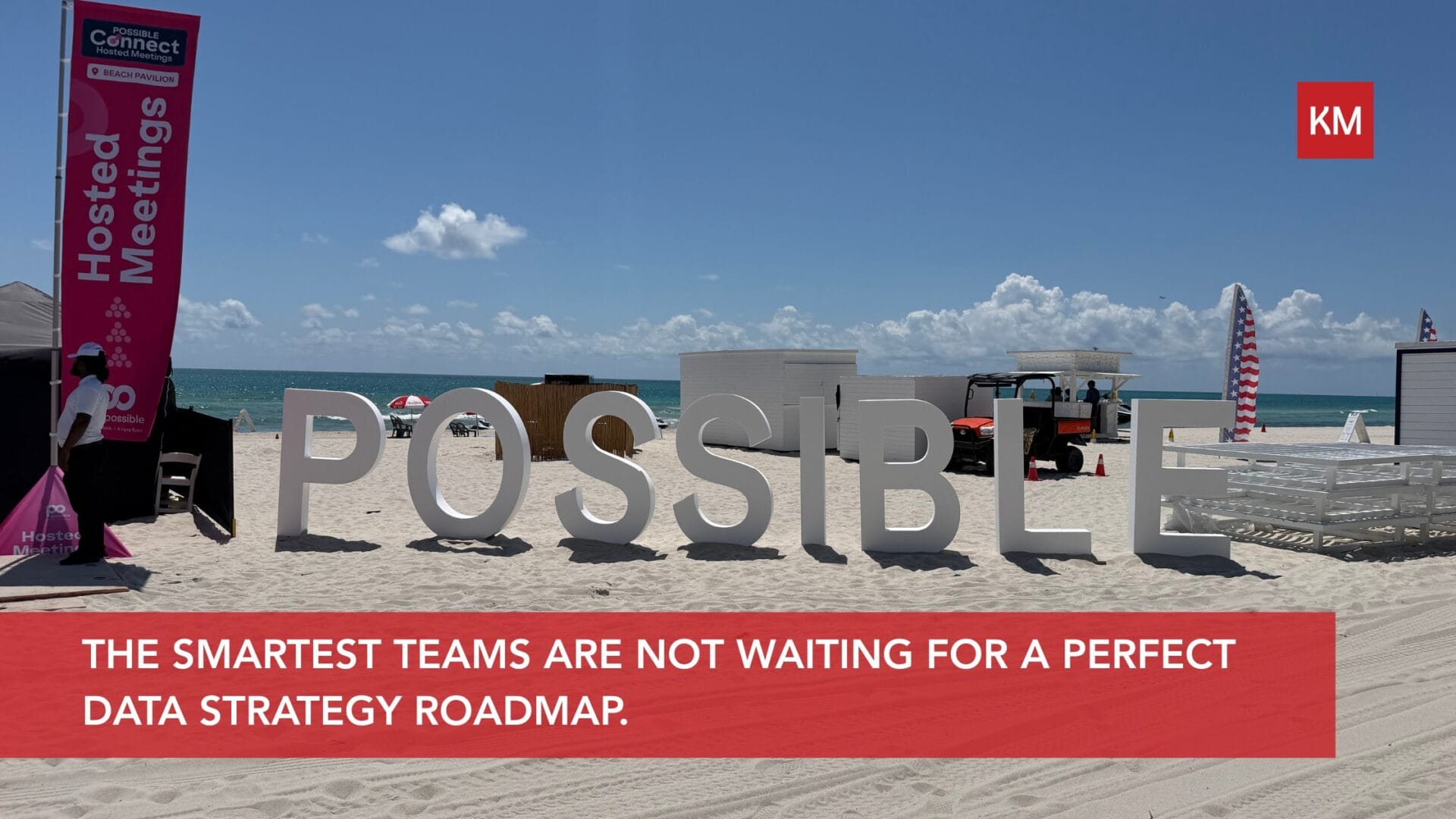
Measurement came up constantly, and the most refreshing part was the honesty around it. Nobody has media performance measurement completely figured out. Everyone is combining MMM, incrementality testing, clean rooms, and platform metrics and hoping the picture that emerges is close enough to act on. But the shift I noticed is that the smartest operators in the room have stopped waiting for precision and started getting comfortable with truth that’s not necessarily directional.
They’re triangulating. The smartest teams are combining multiple data sources, making decisions with imperfect information, and moving quickly without waiting for a perfect data strategy roadmap.
That’s what I came home with from Miami. It felt clear that the media and marketing industry is converging around AI, data, creative, commerce, and collaboration all at once. The companies that can connect those dots across their teams, across their partners, across their strategy are going to be the ones that win. The ones managing each of those things as separate workstreams with separate owners and separate budgets are going to feel it.
Possible 2026 didn’t tell me what to think. It confirmed what I’ve been seeing on the ground with clients for months.
The industry isn’t waiting for a signal. It’s already moving.
The only question is whether you are too.